

Table of Contents
Are you struggling to choose between a poly tarp and a vinyl tarp? Vinyl tarps may come with a higher initial cost, while opting for poly tarps just to save money could lead to insufficient protection, prematerial wear, and even product damage in demanding conditions.
So, how do you make the right choice between these two widely used tarp protective covers? To help you decide, we need to evaluate several key factors:
Durability & Strength: Large vinyl tarps are known for their heavy-duty performance, offering superior tear resistance and long-term weather protection. Polyethylene tarps are lighter and more affordable but may be less effective under extreme UV exposure, moisture, or mechanical stress.
Application Environment: Will the tarpaulin be used for truck covers, outdoor storage, construction sites, or agricultural use? Each scenario demands different levels of waterproofing, UV resistance, and abrasion resistance.
Cost Efficiency: While polyethylene tarps offer a budget-friendly option for short-term use, vinyl tarps often deliver better value over time in harsh conditions—especially for industrial applications and frequent transportation.
Longevity & Maintenance: If you need a tarp that can handle all-weather conditions and repeated use, vinyl is generally the go-to. For occasional or light-duty needs—like temporary camping tarps or indoor coverings—poly may suffice.
Choose wisely based on your actual needs—not just the price tag. Making an informed decision can save you from hidden costs and ensure reliable product protection.
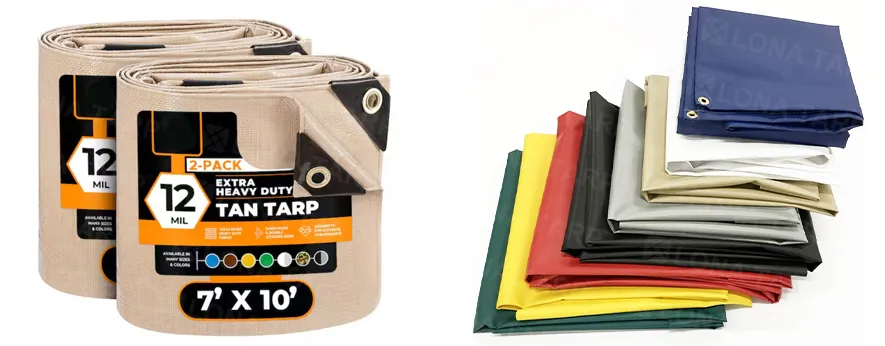
I. Comparison of Tarp Materials and Properties
The fundamental difference between a poly tarp (PE tarp) and a vinyl tarp (PVC tarp) lies in their material composition and resulting performance.
Poly Tarps are made from high-density polyethylene (HDPE) fibers laminated with a thin plastic coating. This structure makes them lightweight and cost-effective, though slightly stiff to the touch with a noticeable plastic texture. Thanks to their low weight, poly tarps are easy to handle and install, ideal for quick temporary uses such as emergency coverings, light weather protection, or short-term outdoor storage.
Vinyl Tarps, on the other hand, are constructed with a high-strength polyester mesh base coated with durable PVC layers. This gives them a softer, more flexible hand feel and superior tear resistance. Compared to poly tarps, vinyl tarps are significantly heavier—with weights reaching up to 2000 GSM—making them exceptionally durable and suited for demanding environments.
This difference in material technology and manufacturing process defines their core applications:
Polyethylene tarps offer lightweight versatility and are perfect for occasional or low-budget needs.
Vinyl tarp materials deliver professional-grade protection, with enhanced waterproof performance, UV resistance, and long-term weather ability, making them the top choice for industrial tarps, heavy-duty truck covers, and long-term exposure scenarios.
II. Strength and Durability Showdown: Which Tarpaulin Roll is Tougher?
When it comes to durability and strength, vinyl tarps clearly outperform poly tarp rolls due to superior physical and chemical properties.
In terms of tear resistance, vinyl tarp rolls benefit from a high-density polyester base and strong PVC coating adhesion. This construction ensures reliability even under prolonged tension or heavy loads, significantly reducing the risk of tearing. Poly tarp rolls, with their woven polyethylene structure, work well for light-duty use but are more prone to ripping when exposed to repeated stretching or high stress.
When it comes to abrasion resistance, waterproof vinyl tarps excel in high-friction environments—such as trucking supplies where tarps rub against cargo, ropes, or tie-downs. This makes them the preferred choice for transportation tarps and industrial applications.
Puncture resistance is another key differentiator: the thick, reinforced PVC coating on waterproof vinyl tarps provides reliable protection against sharp objects, while waterproof poly tarps are more easily pierced.
Regarding service life, poly tarp rolls typically last from a few months to a year, making them suitable for short-term projects or temporary coverage. Vinyl tarp rolls, on the other hand, are built to withstand long-term outdoor exposure—including harsh UV rays, wind, and rain—while maintaining stable performance for several years.
In summary, if you need heavy-duty protection, all-weather resistance, and long-term reliability, thick vinyl tarps are the clear winner. For occasional, lighter use, poly tarps offer a budget-friendly alternative.

III. Application Scenarios Explained
Choosing the right tarp for the right scenario isn’t just practical—it saves you money.
Poly tarps are lightweight and low-cost, making them perfect for short-term protection and everyday use. They’re ideal for:
Covering firewood stacks or outdoor furniture
Shielding construction materials from rain during short projects
Serving as a quick sunshade or waterproof camping canopy
In these situations, users prioritize convenience, flexibility, and affordability over long-term resilience—and poly tarps deliver a cost-effective solution without over-investing.
On the other hand, vinyl tarps are engineered for demanding environments and long-term performance. You’ll often see them used for:
Long-term coverage of heavy machinery
Protecting stored inventory or logistical goods
As truck side curtains, trailer covers, or industrial shelter systems
Built to perform under harsh weather, resist abrasion, and maintain tear strength over years, vinyl tarps help reduce replacement costs, ensure durable product protection, and uphold quality standards in commercial settings.
In short:
Poly tarps = a practical helper for household and short-term uses
Vinyl tarps = a reliable partner for industrial, logistical, and heavy-duty applications
Choose smart—match the tarp to the task, and maximize value without compromising protection.
IV. The Value Choice: Cost and Long-Term Benefits Compared
When it comes to affordability, poly tarps clearly stand out. Their low production costs and highly competitive pricing make them especially appealing to budget-conscious users. For short-term projects, occasional use, or those with simpler coverage needs, poly tarps deliver exceptional cost-efficiency and solid performance.
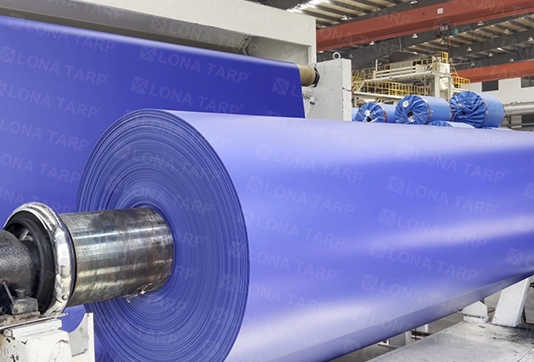
On the other hand, vinyl tarps require a higher initial investment—often costing two to three times more than poly tarps. However, this premium is justified by their extended service life, superior durability, and significantly reduced replacement frequency. Over time, a vinyl tarp’s cost per use becomes far lower, delivering greater long-term value.
Beyond pure durability, vinyl tarps also offer enhanced reliability and professional-grade performance. In industries like logistics, construction, and agriculture, a high-quality vinyl tarp helps ensure cargo protection, prevents damage caused by weather or handling, and ultimately avoids far costlier losses.
In summary:
Poly tarps = the go-to for low-budget, short-term, and light-duty use
Vinyl tarps = the smart choice for long-term value, heavy-duty applications, and risk reduction
Choose based on your real needs—not just the sticker price—and optimize both protection and value.
Share Thisw Story:

I am Felicia. I have been working in the PVC tarpaulin industry at Haining Lona Coated Material Co., Ltd. for nearly 10 years.With nearly 20 years of experience in the textile foreign trade industry. I am confident that my professional expertise and high-quality products will win your trust.