

In today’s era where industrial safety and risk management are paramount, the applications of tarpaulin tarpaulin have far surpassed simple covering functions. From truck covers in logistics & transportation to massive tents for temporary warehouse storage, and even canopies for large-scale outdoor events and music festivals, its safety directly impacts the protection of people and property.
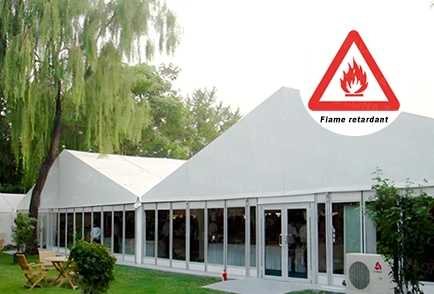 Among all safety indicators, “flame retardancy” is undoubtedly the most critical red line. An accidental spark or a short-circuited wire can instantly trigger a disaster. Therefore, choosing a PVC tarpaulin that truly complies with high flame retardancy standards is no longer an “option” but a “non-negotiable necessity”—a core decision related to fire compliance and life safety.
However, faced with a plethora of products on the market, how can one distinguish authenticity? What do professional terms such as EN 13501-1 Class B1, NFPA 701, and DIN 4102 B1 truly represent in terms of safety ratings and test severity? Which standard does your specific application scenario actually require?
This article will serve as your ultimate guide, providing an in-depth analysis of PVC fire retardant tarpaulins standards. We will walk you through:
Key Fire Resistance Tests: Core concepts such as flame spread rate and Oxygen Index (LOI).
Globally Recognized Certification Standards: Detailed explanations of the differences and applicable fields of European, American, and Chinese standards (e.g., GB 8624).
How to Choose Compliant Materials: Make the most informed and safest choices for your construction sites, event planning, or storage solutions.
Whether you are a procurement manager, safety officer, event planner, or a meticulous DIY enthusiast, reading this article will empower you to make more professional and safer decisions, building a robust firewall for your projects.
I. Why is Tarpaulin Flame Retardancy So Important?
Fire tarpaulins are essential in countless scenarios—from construction sites and logistics transportation to outdoor storage and backyard parties. But beyond functionality, there’s one feature that can’t be overlooked: flame retardancy.
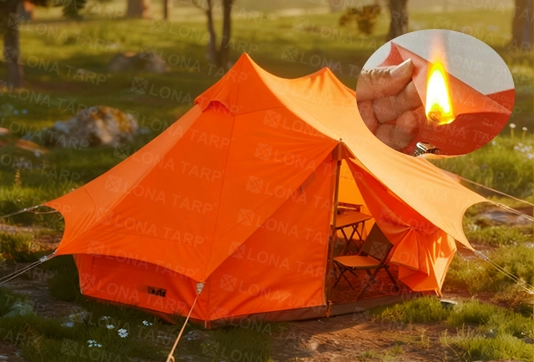 Whether you’re a homeowner using a tarp tarpaulin for camping, festival setups, or garden protection, or a business owner in need of safe temporary structures, flame retardancy isn’t just a technical term—it’s your first line of defense against fire hazards. A fire retardant tarpaulin can slow down fire spread, providing crucial escape time and helping protect your family, property, and investments.
For fire retardant tarpaulin manufacturers, producing fireproof tarpaulins that meet rigorous international standards—such as EN 13501-1, NFPA 701, or DIN 4102 B1—is not only a mandatory market requirement. It’s a powerful trust signal to your customers. More and more conscious consumers and safety-aware businesses are searching for “fire prevention tarpaulins,” “flame retardant certified covers,” or “NFPA 701 compliant tarpaulins.”
By emphasizing flame retardancy, you aren’t just selling a product—you’re offering peace of mind. This commitment enhances brand reputation, meets modern safety expectations, and turns satisfied customers into repeat buyers. In an era where safety sells, making fire rated tarpaulins isn’t an option… it’s a responsibility and a competitive advantage.
III. How to Choose the Right Fireproof Tarpaulin Certification?
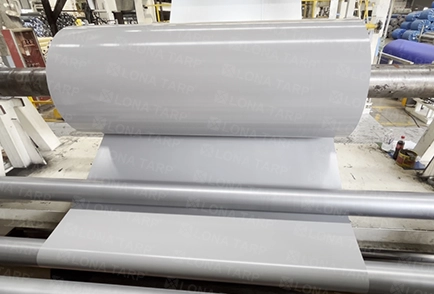 Selecting the right fireproof tarpaulin certification isn’t just about compliance—it’s about matching safety to your specific needs. Whether you’re a homeowner, event organizer, camping enthusiast, or boat owner, picking the best-certified fire proof tarpaulin can make all the difference in safety and performance.
Here’s a simple breakdown to help you choose the ideal certified PVC tarpaulin:
🔹 For the European Market: EN 13501-1 Certification
If your customers are in the EU, look for Class B-s1, d0 or C-s1, d0 ratings. These are ideal for outdoor event tents, festival marquees, and temporary covers. Homeowners and pros alike search for “EN 13501-1 certified tarps” when safety is a top priority.
🔹 For the North American Market: NFPA 701 Certification
A must-have for vertical installations like stage curtains, exhibition booths, and public event tents. If you’re supplying to event companies, schools, or churches in the U.S. or Canada, NFPA 701 is your go-to standard.
🔹 For Marine Applications: IMO FTPC Code Compliance
Boat owners and marine suppliers need tarps that resist flames and limit toxic smoke. If you’re making boat covers, yacht sunshades, or harbor storage solutions, IMO certification is non-negotiable. Customers look for “IMO certified marine tarps” for peace of mind.
🔹 For High-End & Niche Markets: Specialized Certifications
BS 7837: Perfect for luxury glamping, large wedding tents, and high-value temporary structures.
DIN 4102-B1: Essential for the German market, especially in construction, industrial covers, and architectural applications.
NF P 92-507: Key for clients in France requiring permanent installations or commercial shade solutions.
| Market / Application | Suggested Standard | Suitable Products |
|---|---|---|
| EU event tents | EN 13501-1 | event tents, marquees, temporary covers |
| US public events | NFPA 701 | stage curtains, exhibition booths, public event tents |
| UK marquees | BS 7837 | large marquees, canvas structures |
| Germany industrial use | DIN 4102-B1 | industrial tarps, warehouse dividers |
| Marine covers | IMO FTPC Code | boat covers, harbor equipment |
