

II. Applications of Tarpaulin Water Storage Tank in Water Storage
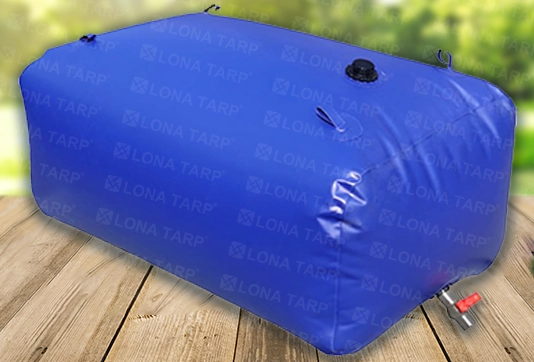
Tarpaulin water storage tanks have become a go-to solution for diverse water storage needs across multiple industries. Their adaptability, resilience, and cost-effectiveness make them ideal for both temporary and long-term applications. Below are key use cases demonstrating their value in efficient water management:
2.1. Agricultural Water Reservoirs
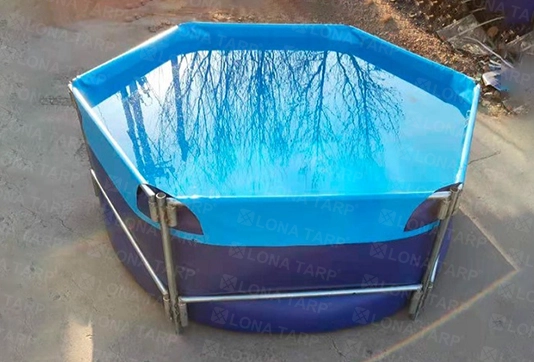
Farmers and agricultural enterprises rely on PVC tarpaulin for water tank storage materials as pond liners for irrigation storage, canals, and temporary water containments. These liners help significantly reduce water seepage, conserve rainfall collection, and minimize dependence on external water supplies—supporting sustainable farming and efficient irrigation practices.
2.2. Emergency Water Storage
In disaster-prone regions or during humanitarian relief operations, water tank tarpaulins serve as rapid-deployment emergency water bladders and lining systems for makeshift reservoirs. Their quick installation and reliable containment provide immediate access to safe drinking water for affected communities.
2.3. Rainwater Harvesting Systems
Water tank tarpaulins offer a low-cost, high-efficiency solution for rainwater harvesting. Used as collection surfaces or covers, they help channel rainfall into storage tanks or barrels, making them ideal for domestic use, gardening, and agricultural water conservation.
2.4. Aquaculture and Fish Farming
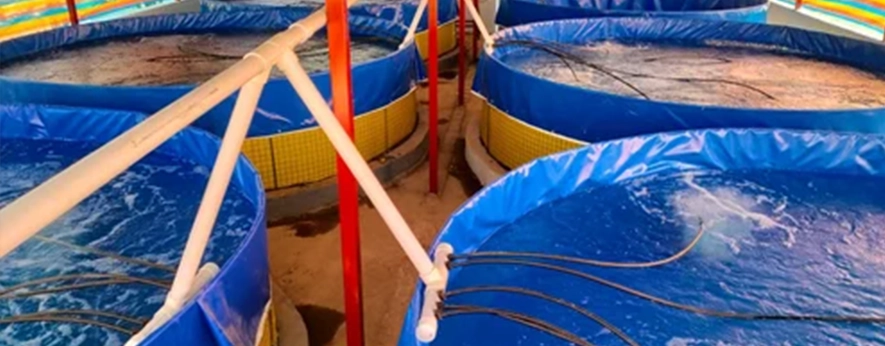 Thanks to their non-toxic composition and strong impermeability, tarpaulin water storage tanks are widely used to line fish ponds, shrimp farms, and aquaculture tanks. They prevent seepage and maintain consistent water levels, supporting a controlled environment for aquatic species.
2.5. Construction Site Water Management
On construction sites, water tank tarpaulins are essential for temporary water storage uses such as dust control, concrete mixing, and wastewater containment. Their rugged build stands up to abrasive and heavy-duty conditions, ensuring durability throughout the project lifecycle.
2.6. Portable and Collapsible Water Tanks
Integrated into portable water tank designs, PVC tarp water storage tanks provide a lightweight, foldable, and easy-to-transport liquid storage solution suitable for military operations, outdoor events, remote job sites, and emergency response units.
From boosting water security in agriculture to enabling rapid-response disaster preparedness, PVC tarpaulins deliver functional versatility and dependable performance—making them an essential tool in global water storage efforts.

IV. Tips for Using PVC Tarpaulins for Water Tank in Water Storage
To maximize the performance, safety, and service life of your PVC tarpaulin-based water storage systems, follow these essential guidelines. Proper use and maintenance not only enhance efficiency but also ensure reliable and sustainable water containment.
- Ensure Proper Installation: Begin with a smooth and debris-free base to prevent punctures or abrasion. Securely anchor the tarp using reinforced grommets and reliable fastening systems to avoid displacement by wind or water pressure. Eliminate wrinkles and ensure even tension to reduce stress points and extend service life.
 Conduct Regular Inspections & Maintenance: Routinely check for signs of wear, UV degradation, abrasion, or mechanical damage—particularly in high-exposure areas such as folds or anchor points. Clean the surface periodically to remove dirt, algae, or residues that could affect performance. Promptly repair minor damages with PVC repair tapes or patches to prevent larger failures.
- Verify Material Compatibility: Always confirm that the tarp material is suitable for your specific water type. For potable water storage, use drinking-water-safe PVC tarps with non-toxic coatings. For agricultural, industrial, or wastewater applications, ensure chemical resistance and environmental durability align with usage conditions.
- Protect Against UV and Environmental Exposure: Although PVC tarps are UV-resistant, prolonged direct sunlight can eventually weaken the material. Consider partial shading, protective covers, or selecting tarps with enhanced UV-stabilized formulations for long-term outdoor use.
- Correct Storage Between Uses: If used seasonally, clean and dry the tarp thoroughly before folding and storing it in a cool, dry place away from direct sunlight and rodents. This helps maintain material integrity and readiness for future deployments.
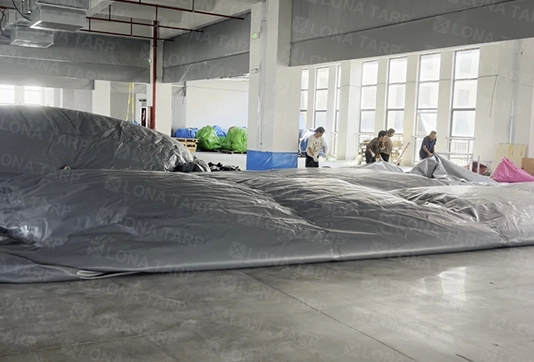 Conduct Regular Inspections & Maintenance: Routinely check for signs of wear, UV degradation, abrasion, or mechanical damage—particularly in high-exposure areas such as folds or anchor points. Clean the surface periodically to remove dirt, algae, or residues that could affect performance. Promptly repair minor damages with PVC repair tapes or patches to prevent larger failures.
By following these best practices, you can significantly enhance the functionality, safety, and lifespan of your PVC tarpaulin water storage solutions—supporting more efficient and sustainable water management across applications.
