

Is PVC tarpaulin better than PE tarpaulin?
Tarpaulins have long been vital components for weather-resistant covering, building, cargo transportation, and outdoor protection. PVC and PE tarpaulins are two of the most often compared choices. Before making a decision, it’s critical to comprehend their advantages and disadvantages because they differ greatly in terms of structure, performance, cost, and durability. Knowing the distinctions between PVC and PE tarps can help you select the one that best suits your needs, whether you work in engineering, logistics, agricultural, or just need a dependable cover for everyday usage. One thing should be made apparent before delving into in-depth comparisons: neither content is truly “superior.” They just fit different settings and have distinct functions.
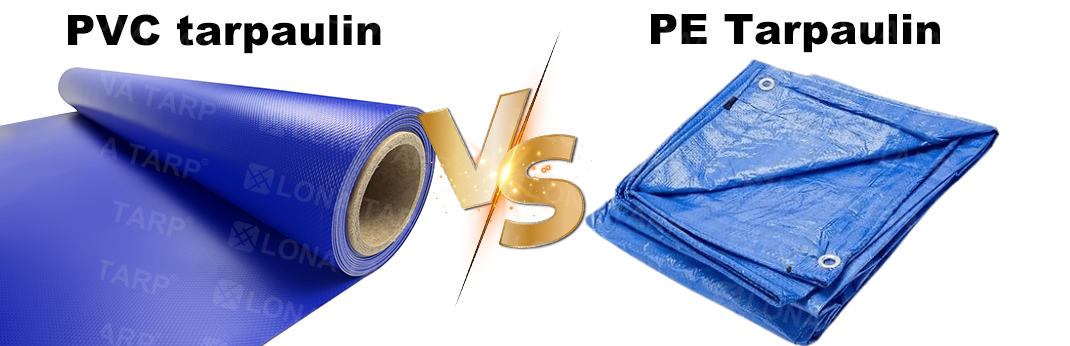
I. Key Performance Parameters and Technical Specifications
PVC layers are applied to both sides of a polyester base cloth to create PVC tarpaulin. It has good watertight sealing, great tear resistance, and high tensile strength thanks to its composite structure. In addition to producing a smooth, impervious surface, the coating makes the material resistant to deformation in the face of severe winds, prolonged UV exposure, friction, and high pressure. Even after extended outdoor use, PVC retains its stability and provides exceptional weather resistance
In comparison, PE tarpaulin is composed of woven polyethylene cloth that has been thinly coated. Its primary benefits are its lightweight flexibility, ease of folding, and practical handling. Its resistance to tearing, abrasion, and prolonged sun exposure is, however, quite restricted due to its thinner and simpler structure. PE materials are more likely to deteriorate, thin, or age in severe outside conditions. However, because it is lightweight, it is perfect for applications that need quick setup and frequent movement.
II. When to Choose PVC and When Is PE More Cost-Effective?
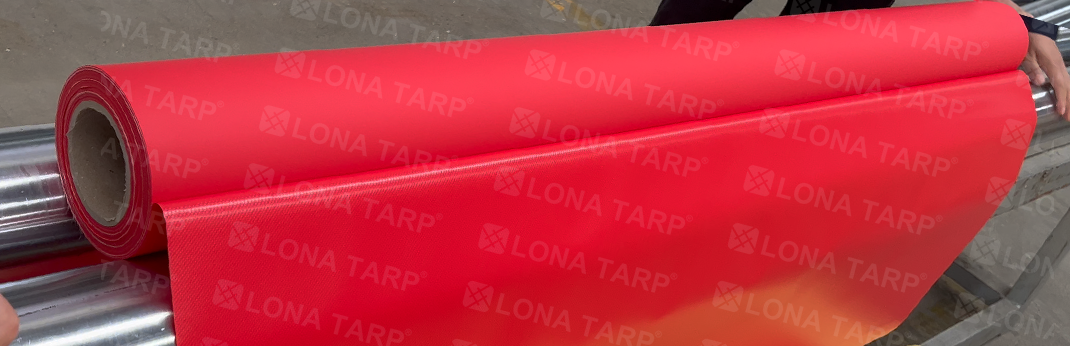
In long-term, high-strength outdoor environments, PVC performs better. For instance, truck covers must withstand friction, intense sun exposure, and continuous wind impact during transportation. In these harsh circumstances, PVC preserves durability, color, and shape much more successfully. PVC offers the necessary stability for long-term warehouses, industrial tents, semi-permanent canopies, and structural outdoor covers.
In contrast, PE is more suitable for short-term or temporary coverage. For construction sites, agricultural fields, temporary rain protection, dust control, or general emergency covering, PE’s lightweight and cost-effective nature offers significant advantages. It can be deployed quickly, replaced easily, and fits tight budgets. In short, if initial cost matters most, PE is the more economical choice; but if long-term performance and stability are priorities, PVC ultimately becomes more cost-effective over time.
III. PVC vs PE Tarps – Durability, Weight, and Price Compared
PVC is unquestionably the most durable. It is more resilient to long-term friction, frequent folding, pulling pressures, and UV exposure due to its thicker base fabric and tougher coating layer. Despite being lightweight, PE tends to deteriorate more quickly in the presence of persistent sunlight, pressure, or abrasive contact. Because of this, PVC often needs fewer replacements over its lifetime, making it more cost-effective for long-term use.
One of the most significant changes is weight. PVC is appropriate for fixed installations or circumstances where stability is crucial because it is visibly heavier. Because PE is lighter, it works better for temporary or portable systems.
Price shows the opposite trend—PE is significantly cheaper, which is why it dominates low-cost or short-term applications. PVC is more expensive due to its stronger base fabric and coating technology, but its longer lifespan often balances out the initial investment. From a cost-performance perspective, PVC is ideal for long-term, high-strength projects, while PE shines in temporary, lightweight scenarios.
IV. How to Choose the Right Tarp for Covering, Transport, and Outdoor Use
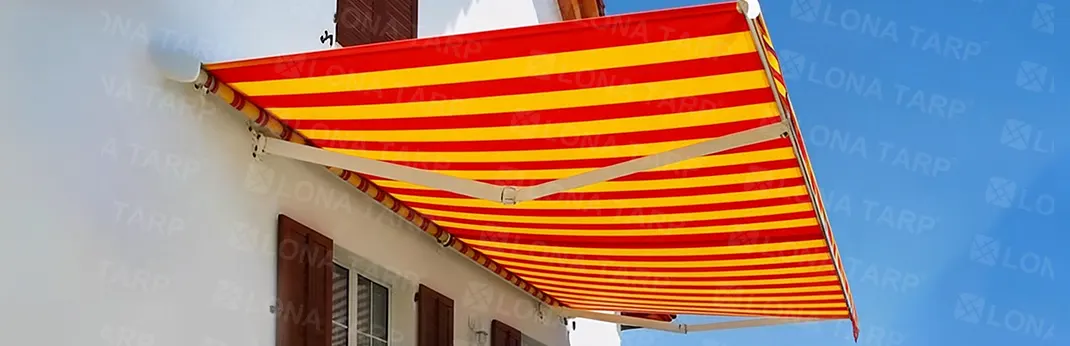
Your usage scenario is the first step in selecting the appropriate tarp. The tarp must endure wind pressure, friction, and weather variations in transportation—such as trucks, containers, and outside items. In these circumstances, PVC is the more robust and secure choice. PE is a preferable option for quick setup and frequent handling because customers frequently prioritize mobility and simplicity when engaging in outdoor activities like camping, lightweight shelters, and portable rain coverings.
PVC offers the strength and structural support needed for semi-permanent structures like long-term outdoor canopies, warehouse tents, or agricultural frames. Because of its endurance, PVC lowers the frequency of replacement for domestic use, such as safeguarding cars, gardens, or roofs. In the end, making the right choice requires assessing factors like strength, longevity, exposure to weather, frequency of usage, and cost.
V. Comparing the Environmental Impact and Recyclability of PVC and PE Tarps
Both PVC and PE are recyclable materials, but their recycling processes differ. PE has a well-established recycling system and can be reprocessed into various secondary products. PVC, due to its more complex structure, requires specialized recycling procedures, yet it still has effective industrial recycling applications—such as in construction fillers or recycled flooring substrates.
Environmental impact include both product longevity and recyclability. Because PVC has a longer service life, it requires fewer replacements and produces less waste. Although PE is simpler to recycle, it frequently needs to be replaced in demanding situations, which can result in higher resource use. Neither material is completely better for the environment; the effects vary depending on how long it is used, how waste is managed, and how often it is replaced.
VI. Conclusion
Choosing between PVC and PE tarpaulins should be based on real usage needs rather than a straightforward “better or worse” assessment because each offers a unique set of advantages. PVC is perfect for industrial, transportation, and permanent installations because of its exceptional long-term durability, structural strength, weather resistance, and stability in harsh outside environments. Because PE is lighter and less expensive, it offers great applicability for short-term or transportable applications. PVC and PE play distinct but equally significant roles in the realm of protective and covering materials when assessing performance, lifetime, environmental concerns, and long-term investment. The balance between budget, durability requirements, and the particular difficulties of the application environment will determine which one is best.
Share Thisw Story:
Table of Contents

Felicia Qi
I am Felicia. I have been working in the PVC tarpaulin industry at Haining Lona Coated Material Co., Ltd. for nearly 10 years.With nearly 20 years of experience in the textile foreign trade industry. I am confident that my professional expertise and high-quality products will win your trust.