

A Comprehensive Overview of PVC Tarpaulin: Composition, Production, and Applications
PVC tarpaulin has established itself as a cornerstone material in a wide range of industries due to its unique combination of durability, flexibility, and protection against harsh weather conditions. Whether you’re in construction, transportation, agriculture, or event management, PVC tarpaulins are essential for safeguarding goods, structures, and equipment. In this blog, we’ll delve into the composition, manufacturing process, performance characteristics, and varied application scenarios of this indispensable material.
What is PVC Tarpaulin?
PVC tarpaulin, often referred to as PVC tarp, is a composite material made by coating a woven fabric, typically polyester, with a layer of polyvinyl chloride (PVC). This composite design endows the material with ultra-high strength, flexibility, and the ability to resist environmental factors such as UV radiation, moisture, and extreme temperatures. As a result, a type of fabric can perform excellently under harsh conditions and provide long-lasting protection.
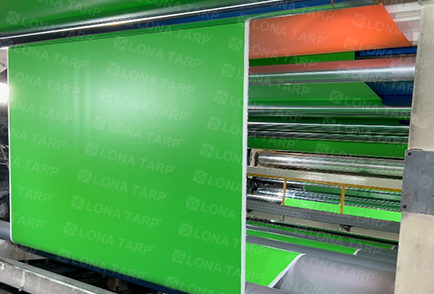
I. Composition and Material Structure of PVC Coated Tarpaulin
PVC tarpaulins are engineered with a multi – layered construction that enhances their performance across different applications. Here’s a breakdown of the material’s structure:
Base Fabric (The Backbone):
The base fabric is usually a high – strength woven polyester, selected for its tensile strength, dimensional stability, and resistance to mildew.
PVC Coating (The Shield):
The polyester fabric is coated on both sides with a PVC resin. This forms a continuous, impermeable film that wraps around the fibers.
Additives & Topcoat (The Enhancers):
Various additives are added to PVC resin to enhance its performance. Plasticizers are added to ensure flexibility, while stabilizers can protect against ultraviolet rays, heat, and other environmental stresses. Topcoats, which may include ultraviolet inhibitors, fungicides, and smoothing agents, are typically used to further increase the durability of the material.
II. Manufacturing Process and Technology of PVC Tarpaulins
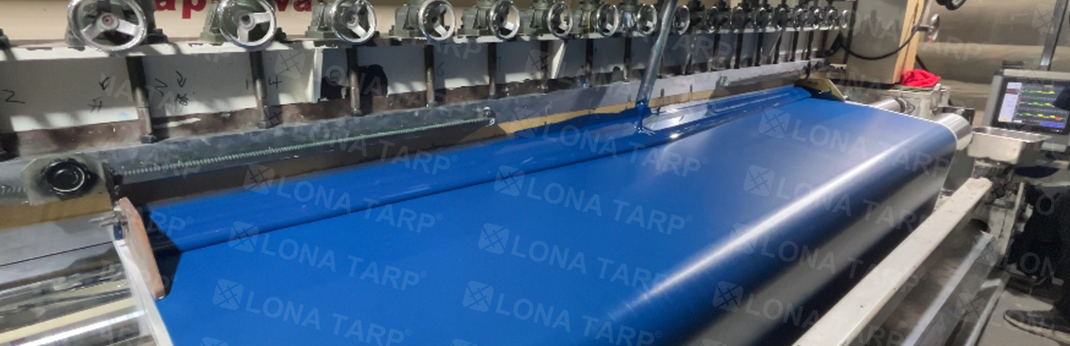
The production of PVC tarpaulin requires precision engineering to ensure consistent coating, strong adhesion, and uniform performance. Three primary manufacturing technologies dominate the industry.
Knife Coating
Considered the gold standard for high-performance PVC tarpaulins, knife coating delivers exceptional durability and adhesion:
- Step 1: The polyester scrim is fed through a tank of liquid PVC resin (mixed with additives like plasticizers and stabilizers) to ensure full saturation.
- Step 2: The saturated scrim passes between two precision-adjusted knives, which scrape off excess PVC to achieve a uniform thickness across the fabric.
- Step 3: The coated fabric is then cured in a high-temperature dryer to fuse the PVC to the scrim, creating a bond that resists peeling or delamination.
- Key Benefits: Offers superior peeling strength, 5+ years of outdoor durability, and compatibility with specialized coatings (e.g., PVDF for 15+ year lifespans or acrylic for printable surfaces).
Hot-Melt Coating Technology
Hot-melt coating is one of the most popular methods for mainstream PVC tarpaulins due to strikes a balance between quality and cost-effectiveness:
- Step 1: Separate PVC films are manufactured first using a calendering process (heating and rolling PVC dough into thin sheets).
- Step 2: The polyester scrim is pre-treated with adhesive, then fed through a machine where the PVC films are laminated to both sides under high heat and pressure.
- Step 3: The heat melts the PVC film slightly, creating a strong bond with the scrim as it cools.
- Key Benefits: Close to knife coating in peeling strength, excellent tightness, and lower production costs. Ideal for applications requiring flexibility and durability.
Cold Lamination Technology
Cold lamination is the most cost-efficient method, suitable for light to medium-duty applications:
- Step 1: PVC films are laminated to the polyester scrim using pressure (without high heat) and adhesive.
- Step 2: The process is faster and requires less energy than hot-melt or knife coating, but the bond strength is lower.
- Key Benefits: Low running costs, high production speed, and affordability.
Additional Production Steps
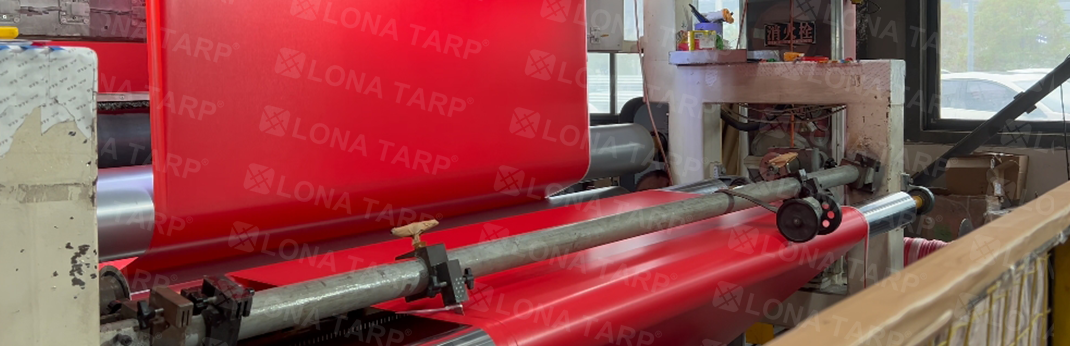
After coating or lamination, all PVC tarpaulins undergo finishing processes: edge trimming (to prevent fraying), quality inspection (checking for pinholes or uneven coating), and packaging into rolls. Some manufacturers also offer custom embossing (matte, glossy) for specific aesthetic or functional needs (e.g., matte for printing, glossy for tents).
III. Performance Characteristics of Polyvinyl Chloride Tarpaulins
PVC tarpaulins are known for their impressive performance across a variety of environments. The key characteristics include:
- Waterproof & Weatherproof: The continuous PVC coating forms an water-impermeable barrier, ensuring complete waterproofing. This feature makes PVC tarpaulins ideal for applications exposed to rain, snow, or moisture.
- Tensile Strength & Tear Resistance: Polyester-based fabrics endow tarpaulins with high tensile strength and tear resistance, even under heavy load or windy conditions.
- Flexibility & Durability: Thanks to plasticizers, PVC tarpaulins maintain elasticity over a wide temperature range, preventing cracking in cold weather and deformation at high temperatures.
- UV & Chemical Resistance: The addition of UV stabilizers ensures that PVC tarpaulins can withstand long-term exposure to sunlight without degradation, and their resistance to many chemicals makes them suitable for industrial environments.
- Fire Retardancy: Many PVC tarpaulins contain flame retardant additives, enabling them to meet the safety standards required for fire-resistant applications.
- Mildew & Fungus Resistance: PVC tarpaulins are resistant to mildew and fungal growth, thanks to the synthetic nature of the material and the addition of antifungal agents.
IV. Application Scenarios of PVC Tarpaulin in Different Industries
PVC tarpaulins are used in many industries due to their excellent durability and versatility. Some of the most common applications include:
- Transportation & Logistics: PVC tarpaulins are often used as truck covers to protect goods from rain, snow, dust, and ultraviolet rays during transportation. They are also used as side curtains for vans and flatbed trucks to ensure that the goods remain safe and dry.
- Construction: PVC tarpaulins are used for scaffolding covering, dust barriers, temporary shelters, and concrete curing blankets. Their waterproof and tear-resistant properties make them ideal for construction sites, protecting materials and workers from the elements.
- Agriculture: Farmers use PVC tarpaulins to protect silage, hay bales, grains, and fertilizers from moisture damage. They are also used in the manufacturing of greenhouse coverings, providing waterproofing and temperature control for optimal plant growth.
- Outdoor Events & Recreation: PVC tarps are a popular choice for event tents, camping shelters, and swimming pool covers. Their flame retardancy, UV resistance, and durability make them ideal for outdoor activities, while their flexibility makes them easy to install and transport.
- Industrial Applications: PVC tarpaulins are used in factories as partition curtains , as well as machine covers, welding screens, and dust barriers. Their ability to withstand chemicals and extreme weather conditions makes them indispensable in industrial environments.
- Emergency & Relief: In disaster relief situations, PVC tarpaulins are quickly deployed as temporary shelters, to cover damaged buildings, or to provide emergency storage solutions after storms, earthquakes, or floods.
V. Conclusion
PVC tarpaulin is a high-performance material that can withstand the harshest conditions. Its unique combination of strength, flexibility, and resistance to environmental factors ensures that it remains an important product across industries. Whether used to protect goods during transportation, construct temporary shelters, or safeguard agricultural products, PVC tarpaulin is the preferred solution for durability and reliability. With continuous advancements in manufacturing processes and the development of specialized coatings, the future of PVC tarpaulin looks even more promising. As industries continue to evolve, this versatile material will remain at the forefront of global protection solutions.
Share Thisw Story:
Table of Contents

Will He
I am Will from Haining Lona Coated Material co., Ltd, with 15 years of foreign trade experience. Applying my PVC tarpaulin expertise, I can help you find the most suitable coated fabric for your projects. Backed by our 20+ years factory in tarpaulin technology, we ensure reliable solutions!