

In the field of waterproof tarps, PVC tarps typically outperform PE tarps in terms of bending performance (i.e., softness, foldability, and conformability).
However, analyzing from the perspective of material properties, PE is polyethylene, a type of thermoplastic that is generally relatively hard, especially high-density PE. PVC is polyvinyl chloride, which is inherently rigid, but becomes soft when plasticizers are added.
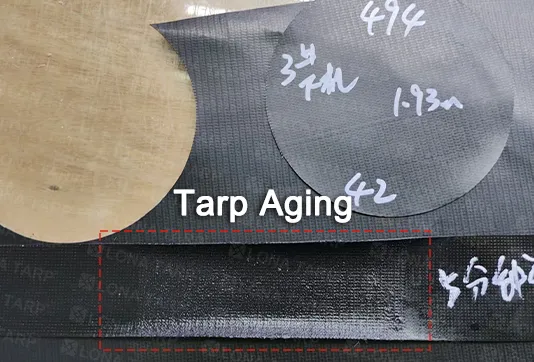 Considering changes during long-term use: The plasticizers in PVC can migrate or volatilize over time, causing the material to become hard and brittle, commonly referred to as “degradation” or “aging”. While PE has poor low-temperature performance, it may be more stable if not exposed to extreme cold. This is also a crucial factor for users in long-term outdoor applications.
Additionally, actual products may have different thicknesses and coating treatments, which affect the real-world feel. It’s advisable to recommend users check the specific product parameters or ideally conduct a hands-on test. For example, even tarpaulin products labeled as PVC can vary significantly in softness and hardness depending on the manufacturer’s formulation.
I. PE Tarpaulins & PVC Tarpaulins Flexibility: How They Achieve It
PVC Tarpaulin
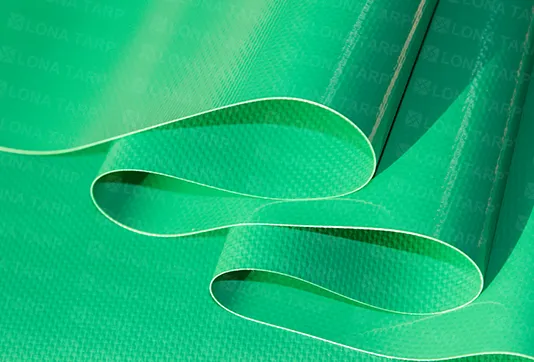 The key to waterproof vinyl tarps flexibility lies in the plasticizers mixed into the PVC resin before coating. These are chemical additives that act like lubricants between the PVC polymer chains, allowing them to slide past each other more easily. This allows vinyl polyester tarps to achieve exceptional flexibility and pliability, even at surprisingly low temperatures (often down to -30°C / -22°F or lower, depending on the type and amount of plasticizer). They drape beautifully, conform tightly to irregular shapes, and fold compactly without excessive stiffening in cold weather. This makes them ideal for truck side curtains, complex machinery covers, and cold-climate applications. Plasticizers are not permanently bonded. Over time, especially when exposed to high heat, UV radiation, and weathering, they can migrate to the surface (blooming) and leach out (evaporate). This process, called plasticizer loss, leads to the PVC coating becoming increasingly stiff, brittle, and prone to cracking as it ages. The flexibility isn’t permanent.
You can customize your ideal PVC tarpaulin material at Lonatarp® factory.
PE Tarpaulin
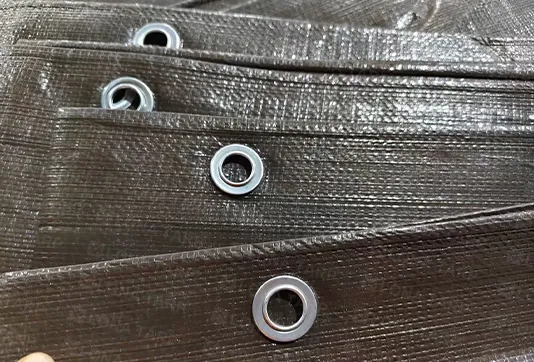 PE Tarpaulins, particularly Low-Density Polyethylene (LDPE), have a more branched molecular structure than PVC. This branching inherently creates space between molecules, allowing them to move more freely relative to each other.PE tarps exhibit good initial flexibility right off the roll. They are naturally soft and pliable at moderate temperatures without needing added plasticizers. This makes them easy to handle for basic covering tasks in average climates. They don’t suffer from the long-term plasticizer loss problem that PVC does. The inherent flexibility of PE has significant limitations: Cold Temperature Brittleness – PE becomes brittle at much higher temperatures than well-plasticized PVC. HDPE tarps can become stiff and prone to cracking near or just below freezing (0°C / 32°F). LDPE performs better but still becomes noticeably less flexible well before PVC does. In freezing conditions, PE tarps can crack easily if folded or impacted.
II. Choosing the Right Tarpaulins for Your Needs
For prioritizing extreme cold flexibility and long-term durability (with maintenance considerations), choose vinyl polyester tarpaulins. They deliver unmatched performance in freezing temperatures and excel at conforming to complex shapes. While inherently durable, be aware that PVC will gradually stiffen over many years due to plasticizer loss, a factor to consider in your long-term maintenance planning.
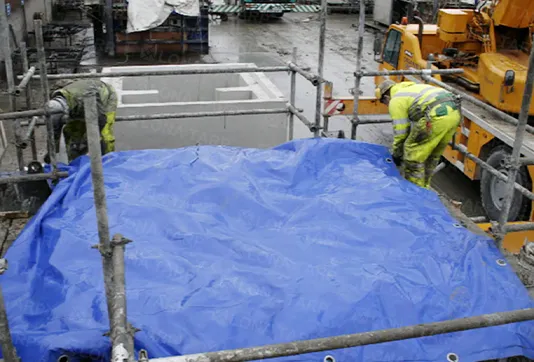
In contrast, for basic covering needs in moderate climates on a budget, PE Tarps (particularly LDPE) are a viable choice. They offer sufficient flexibility for general use in non-freezing conditions and provide good value. However, avoid PE tarps if frost or freezing temperatures are anticipated, or if the application involves constant tension or repeated folding, as these conditions significantly compromise their performance and lifespan.
III. Conclusion
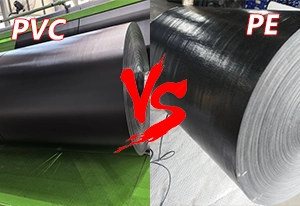 While both PVC tarps and PE tarps offer flexibility, the nature and resilience of that flexibility differ dramatically. PVC reigns supreme when it comes to performing in harsh cold and conforming to intricate shapes, thanks to its plasticizers, though this flexibility has a finite lifespan. PE offers decent initial pliability at a lower cost but becomes a liability in cold weather and is more prone to stress-related damage. Understanding this core difference in how they achieve and maintain their bend is crucial for selecting the tarp that won’t let you down when the temperature drops or the shape gets tricky. Choose wisely!
